Inside a 7-day Esdar robotics camp

A week is enough time to take a student who's never held a jumper wire to a confident builder demoing their own robot. Here's how a 7-day Esdar camp is paced so that every day ends with a win.
Day 1 — Curiosity and first circuits
We start with play, not theory. Students light an LED, make a buzzer sound, and learn that electronics respond to them. The goal of day one is simple: everyone leaves having made something work.
Days 2–3 — Sensors and logic
Now the robot starts to "sense." Students wire up buttons, light and distance sensors, and write the first simple logic: if this, then that. This is where computational thinking clicks into place.
Days 4–5 — Motion and building
Motors and chassis arrive. Teams assemble a moving robot, then teach it to follow a line or avoid obstacles. There's plenty of productive failure here — and plenty of cheering when a build finally behaves.
Day 6 — The project
Teams pick a challenge and make their robot solve it. Because they choose the goal, ownership is total. Instructors coach rather than direct, so students do the real thinking.
Day 7 — Demo day
Every team presents: what they built, how it works, what went wrong and how they fixed it. Parents and teachers are invited. Certificates are earned, not handed out. Students leave with a finished project and, more importantly, the belief that they can build.
Why the format works
Short, intensive and project-based, a camp creates momentum a weekly class can't. It's also a low-risk way for a school to try a robotics programme before committing to a full lab — many of our lab partnerships started with a single camp.
Bring Robotics & AI to your school
Esdar sets up labs, runs camps, and supplies kits, instructors and curriculum end-to-end. Let's talk about your school.
Book a Meeting →More from the blog
 Kits
KitsThe hardware that powers hands-on learning
A look at the Arduino, Micro:bit and drone kits behind a great robotics programme — what each one is for, and why the mix matters more than any single board.
 Projects
From flashing hearts to AI sorting arms
How student projects progress from Primary to Senior — a clear map of what learners build at each stage and the skills each project unlocks.
 For Schools
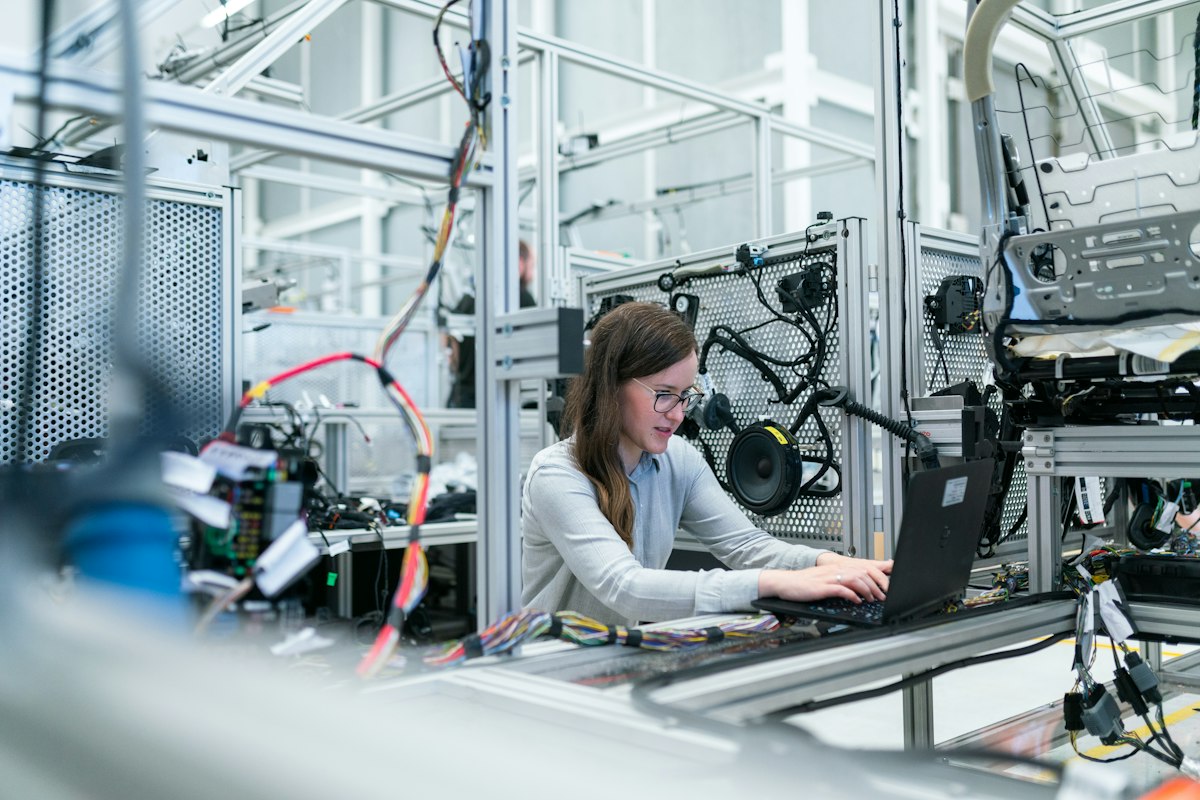
What a great school robotics lab looks like
The space, the kit, the curriculum and the outcomes that separate a lab that gets used every week from an expensive room full of dusty boxes.